
The 2027 NCAA baseball changes do not ban every electronic device. In Division I, electronic communication is restricted to defensive purposes, while controlled dugout tablets and bat-sensor data collection have separate permissions and limits. A device that is legal for one task does not become legal for every message, every screen or every moment of the game.
That distinction explains why a coach can be seen consulting technology while a batter cannot receive the same kind of electronic assistance. It also explains why a tablet, a defensive receiver and a sensor in a bat belong to different rules. The important questions are what information is being used, who receives it and when it becomes available.
This guide follows the approved 2027 provisions and current rulebook, separating Division I permissions from experiments in the other NCAA divisions. There is no verified team cheating case behind it; the purpose is to make ordinary game situations easier to understand.
What changed for electronic signals in 2027
The offensive communication restriction is a Division I rule about use, not a ban on every piece of electronic hardware. Reading it as “no technology in baseball” misses the separate permissions that remain. Reading it as “our equipment is approved, so every use is allowed” makes the opposite mistake.
Offensive messages face a different rule from defensive signals
The approved Division I changes restrict electronic communication devices to defensive purposes. The NCAA’s August 2026 announcement explains the concern: an offensive player could receive an advantage through electronic communication before the pitch. That rationale addresses the message and its use during competition.
A defensive pitch call and an electronic instruction to the batter therefore raise different questions. The catcher preparing to receive a pitch is part of the defensive operation; a hitter awaiting that pitch is part of the offense. Moving from one half-inning to the next changes the player’s role even when his name and uniform stay the same. Equipment permission does not follow him into every possible use.
Keep the Division I label attached to that conclusion. NCAA rules can contain a general provision and a division-specific exception. A summary that removes the label may sound simpler, but it can give a spectator at a Division II or III game the wrong basis for judging what he sees.
A permitted receiver does not authorize every kind of message
Rule 5-16 in the current rulebook permits an exclusively one-way pitch or play call. Direct voice audio to an in-ear receiver is limited to the defensive catcher; other position players can receive prerecorded audio messages. Those distinctions matter more than whether the equipment looks like a familiar professional product.
One-way communication does not mean an unrestricted conversation. It identifies a direction for an allowed signal. A player receiving a call still has to execute the baseball task: locate the pitch, receive it, make a throw or cover the assigned play. The communication channel assists preparation; it does not provide blanket authority to send unrelated information.
For viewers, the sensible first question is “what permitted purpose could this serve?” A receiver on a defender can be consistent with the rules. Its appearance cannot tell you the exact message, whether a voice was live or prerecorded, or whether an offensive instruction was sent. Those require evidence about the actual use, rather than a conclusion drawn from the shape of an earpiece.
What a dugout tablet can show during a game
The Division I tablet permission is a controlled way to consult baseball information. It does not authorize a second, unrestricted broadcast screen. The distinction also explains why an older quotation about banned dugout monitors can be incomplete: the current rulebook contains a specific tablet permission with conditions that must be read alongside the general restriction.
Conference controls limit the information available
Under Rule 5-16-c, the conference manages and monitors the permitted tablets, limiting applications to scouting and analytics. Access to pitch location is restricted during the game. The Division I changes describe limited use, rather than permission to open any website, video or message on a personal device.
For a coach, consulting a scouting tendency and receiving an immediate electronic verdict on the last pitch are different activities. Both involve information, but their competitive purpose and timing differ. Likewise, an allowed discussion of analytics in the dugout does not authorize sending an electronic offensive instruction to a hitter. The tablet provision and the communication restriction can both apply without contradicting each other.
The division boundary matters here too. The 2027 experimental rules identify the dugout technology provision as permissive for Division I, while Division II and III use follows an approved experimental process. A spectator should not transfer a D1 permission to another division merely because both schools compete under the NCAA umbrella.
Preloaded video and delayed game footage are different permissions
Preloaded footage can be used when it is not from the current game. Footage from the current game requires at least a half-inning delay. These are separate conditions, not interchangeable descriptions. Saving a current clip to a device does not turn it into footage from a previous game, and a short transmission delay does not automatically satisfy the half-inning requirement.
Consider a fictional coach reviewing an opponent’s earlier outing while preparing an upcoming hitter. That is a different information source from watching the most recent pitch seconds after it happened. A clip may be useful in either case, but usefulness is not the permission test. The age of the footage and the applicable access restriction determine which rule the situation raises.
A real conference announcement shows why timelines also need care. The Sun Belt’s October 2, 2026 technology release says baseball dugout data delivery began in 2026. Its tablet expansion for 2027 concerns softball, while the new baseball announcement concerns ABS. Treating every item in that headline as a newly introduced 2027 baseball tablet rule would mix sports and dates.
The practical viewing question is therefore narrower than “why is there a screen?” Ask what kind of information the permission covers, whether it is from this game and whether the applicable delay has elapsed. A camera showing the back of a tablet answers none of those questions. It shows the object; the rules govern how that object is being used.
What bat sensors are allowed to collect
The sensor provision addresses swing data collection during actual competition. That can be useful because a game swing occurs against a real pitcher, with a count, runners and a competitive decision to make. It is a different setting from taking a series of practice swings solely to generate measurements.
Recording swing data is different from using live feedback
Rule 1-12-d permits a sensor attached to the bat’s knob or embedded within it, but the collected data cannot be accessed during the game. The current bat rule makes collection and access separate issues. Permission to record is not permission to show the hitter a live reading before his next pitch.
For a fictional example, a program could later examine a collection of game swings alongside video to ask a development question. That is different from a staff member opening newly collected sensor output during the same contest and using it to direct the hitter’s next adjustment. The distinction concerns when the information is accessed, not whether the adjustment might sound like ordinary coaching advice.
A device also does not become an unrestricted bat attachment simply because it is called a sensor. The permitted location is the knob, and the underlying bat still has to satisfy the applicable equipment rules. An electronics provision should not be treated as a substitute for the separate rules governing the bat itself.
Fans should be cautious about what a measurement is supposed to explain. A swing-data record is not the entire plate appearance. The hitter chose whether to swing, the pitcher supplied a particular pitch, and contact may or may not have produced a favorable result. A single number cannot establish all of those relationships. Nor should a viewer assume that a sensor attached to a bat independently measures the pitch’s location or the ball’s complete flight.
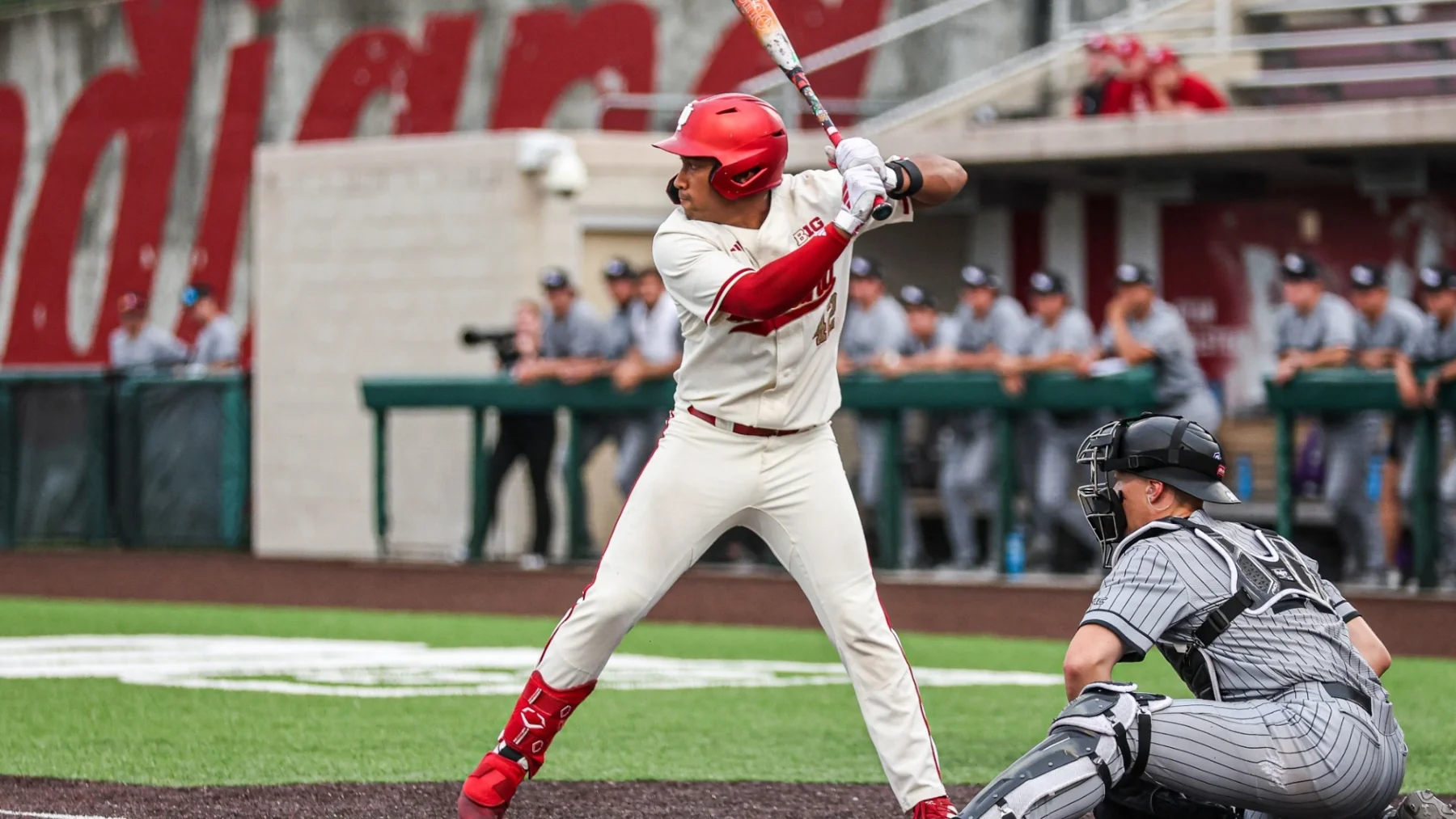
The rule can therefore allow programs to collect a different kind of development evidence while preserving a boundary around live access. That is a more precise way to understand the change than saying either that electronics are forbidden on bats or that every sensor reading can be used immediately. Both shortcuts leave out the condition that makes the permission meaningful.
Why ABS decisions cannot use an electronic answer
In a game using the experimental electronic strike-zone challenge system, device permissions do not entitle a team to obtain an electronic answer before deciding whether to challenge. The ABS protocol prohibits using information received directly or indirectly from electronic devices for that decision. It also prohibits another player or staff member from signalling whether the eligible player should ask.
The distinction is between requesting a correction from personal judgment and learning the answer first. A hitter may believe a taken pitch missed; a catcher may believe the umpire’s ball call should have been a strike. Their immediate impressions are part of the challenge process. A screen that supplies an electronic verdict before the request would change the nature of that decision.
“Indirectly” matters. In a fictional example, a staff member looks at electronic information and passes the answer verbally to somebody near the field. The player eventually requesting the challenge might never touch a tablet. That does not make the information cease to have an electronic source. Judging only whether the requesting player held a device would miss the rule’s stated boundary.
This helps explain the separate restriction on dugout access to pitch location. A scouting tablet is not meant to provide an immediate ball-or-strike answer for the latest pitch. It can serve a permitted analytical purpose while remaining unsuitable for a challenge hint. An allowed defensive communication channel similarly does not make every possible message sent through it permissible.
For spectators, this is a reason to keep the purpose of the information in view. A coach studying permitted material and a player making an immediate challenge are not automatically evidence of a connection between the two. Establishing that electronic information influenced the decision would require more than footage of both events somewhere in the same inning.
The equipment rules can therefore encourage analysis while preserving a decision that players must make without that assistance. Understanding this boundary does not require treating all technology as suspicious or assuming every screen is harmless. It requires following the particular information, its route to the player and the decision it is being used to make.
How to interpret devices seen during a broadcast
A broadcast can make electronic equipment unusually noticeable. The camera may isolate a coach’s tablet, a player’s receiver or a conversation near the dugout precisely when a close decision has upset viewers. The image can identify a piece of equipment without establishing the information it carried. Understanding the rules helps distinguish those two kinds of evidence.
Identify the purpose, timing and NCAA division
Start with the actual competition. The college baseball divisions guide can help identify the organizational context. A D1-specific exception is not a statement about every college team, and a rule for an approved experiment does not automatically apply to every matchup at the same venue.
Then identify the communication path. The rulebook expressly permits a device type for two-way communication between the dugout or bench and bullpen. A phone used to prepare a relief pitcher therefore raises a different question from a device carrying instructions to an offensive player. The permitted bullpen connection is not a general license for unrestricted two-way conversations everywhere on the field.
Timing provides another distinction. A coach examining an earlier-game clip is not necessarily watching the current pitch. A sensor can be recording without anybody reading its output during the game. A defender can be receiving an allowed pitch call without an offensive player receiving electronic assistance. These are the specific differences to establish before treating unlike situations as evidence that the rule is inconsistently applied.
It is reasonable to ask which permission covers the visible activity. That question is more useful when it identifies the recipient, purpose and timing than when it merely points out that an object has a screen or an antenna. The equipment’s presence starts the question; it does not supply the answer.
Visible technology is not proof of a violation
The current rulebook even addresses an offensive player who inadvertently comes to bat or enters as a pinch runner while wearing a communication device. The umpire may ask for its removal without penalty. That specific provision should stop a spectator from assuming that any momentary image of a receiver on offense demands automatic ejection. It does not authorize deliberate offensive use.
Prohibited use remains consequential: Rule 5-16 provides for ejection of the violator and head coach. But the existence of a penalty does not eliminate the need to establish which rule was broken and what actually occurred. A correction to an inadvertently worn device and a finding of prohibited communication are different situations.
When a clip attracts complaints, keep its limits visible. It may show where a coach stood, what object a player wore or when someone looked toward the dugout. It may not reveal the device’s available content, the age of a video or a message’s recipient. A precise question about those missing facts can clarify the baseball. Naming a team as a cheater from an ambiguous shot substitutes suspicion for the information needed to interpret the rule.
The most useful way to watch the 2027 changes is to follow the permitted task and its boundary together: defensive signals, controlled analysis, delayed footage and unread swing-data collection each have a purpose. Recognizing those purposes makes both legitimate technology and a properly established violation easier to understand.
Join the conversation
Share a question or a thought about college baseball. Comments are reviewed before they appear. Keep it friendly and on topic.
No comments yet. Start the conversation.
Sign in with Google to leave a comment. Your email address is not displayed.