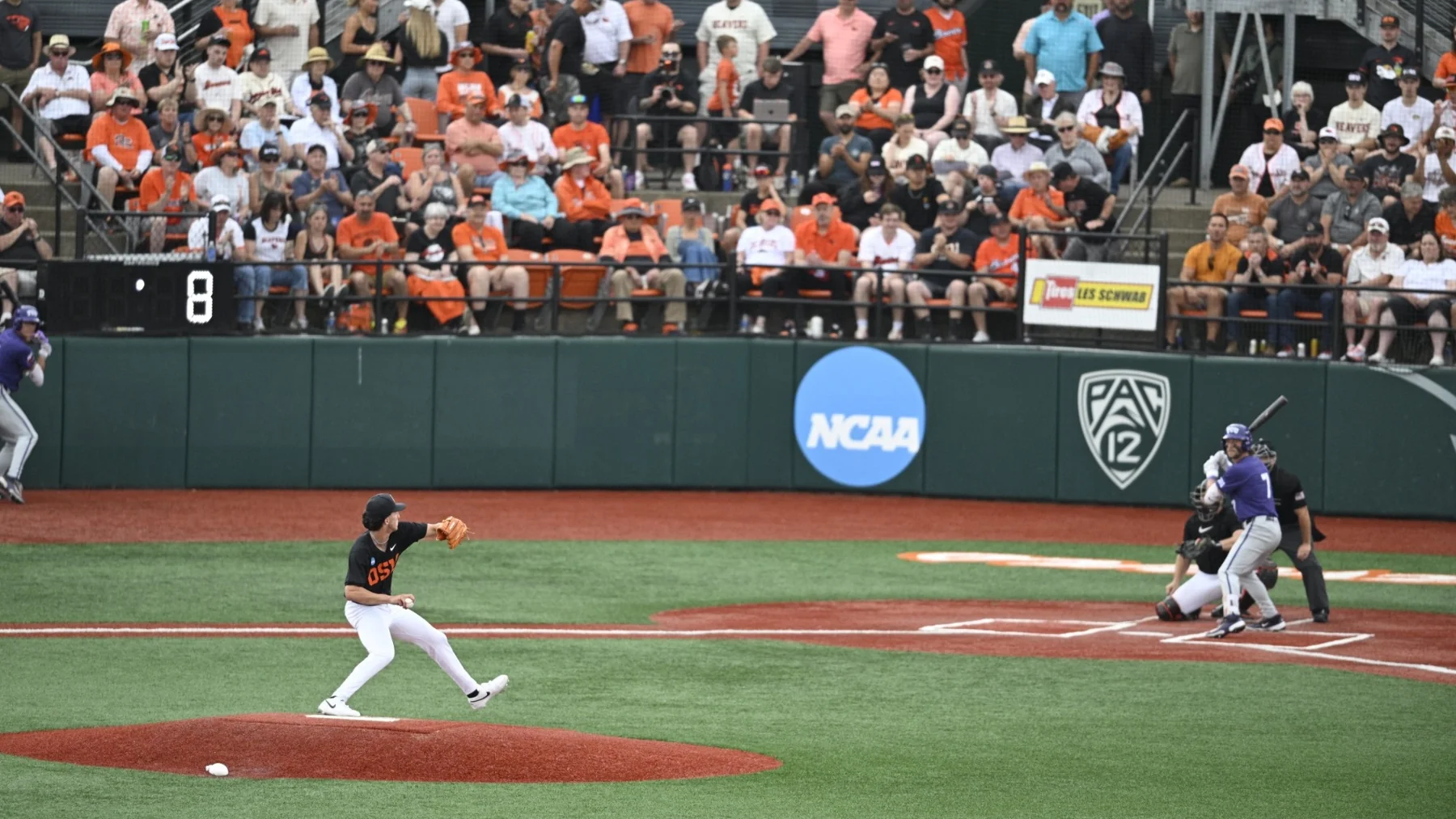
College baseball's 2027 timing rules use different clocks for different events. Division I adds 30-second procedures between batters, for mound visits and for offensive timeouts. The ordinary 20-second pitch clock remains relevant. A between-batters timer already requires the next delivery before it expires; it is not a free 30-second pause followed by another full 20 seconds.
Understanding the event behind the countdown explains much more than the number on the scoreboard. This guide separates the starting points, batter readiness, visit limits and penalties under the 2027–28 NCAA rules, with information checked October 31, 2026.
Which clock changes apply to Division I in 2027?
The approved Division I changes introduce three 30-second timing procedures. One governs the interval between batters, another governs a mound visit, and another governs a granted offensive timeout. Each has a defined starting event. Calling all three a new pitch clock hides the practical difference between preparing for the next delivery and concluding a conversation.
The full rulebook's Appendix F also states the division boundary. These procedures are required in Division I. Division II and Division III may use them through a conference rule or mutual agreement before the game. They are therefore neither a universal new mandate at every NCAA level nor something prohibited outside Division I.
This distinction matters when comparing broadcasts. A fan can see two college games using different procedures without either game necessarily ignoring the rulebook. The division and any applicable adoption matter. Our division guide helps identify the competition before comparing its timing with another league's game.
The increase to six offensive conferences is a separate change, appearing in both Division I and the Division II and III changes. A conference allowance counts specified interruptions; a timer limits how long a particular granted interruption can continue. Having an allowance available does not make the length of the conversation unlimited.
For the viewer, it helps to identify the action before reading the clock. Has the previous batter's play ended? Is a coach walking toward the mound? Has the umpire granted an offensive timeout? The same displayed number can be part of a different sequence, and a warning or penalty depends on that sequence. The rules aim to keep the game moving, but they do so through specific instructions rather than one penalty applied to every delay.
How does the 30-second timer between batters work?
The previous play determines when it starts
Under Appendix F-III-9-A, the timer begins when the prior play has concluded, indicated by the pitcher possessing the ball near the mound. It does not necessarily begin at bat contact, when an outfielder first retrieves the ball or when the next hitter chooses to approach the box.
There is a specific equipment handoff provision. If the batter-runner finishes the at-bat at second base and needs to give protective equipment to a coach, the timer starts when the equipment is handed over. The trigger recognizes that defined task; it does not create an unlimited pause while everyone waits for the next batter.
Imagine a double into the gap. The defense returns the ball, the runner settles at second and the next hitter prepares to enter. Those activities can overlap. To understand the timer, follow the end of the play and the specified equipment handoff, rather than counting from the instant the ball left the bat. A broadcast replay of the double can conceal those preparations.
Eight seconds ready does not mean an extra pitch clock
The rule applies the normal pitch-clock stopping and enforcement requirements to this timer. The batter must be alert to the pitcher and ready to hit with at least eight seconds remaining. The pitcher must start the motion to pitch before the timer expires. These are two checkpoints within the same sequence.
On an uninterrupted countdown from 30, eight remaining comes after 22 seconds have elapsed. That is the batter's readiness deadline, rather than permission to keep preparing until zero. The remaining portion gives the pitcher time to begin a legal delivery; it does not guarantee that the pitcher will use every second.
This is why adding 30 and 20 produces the wrong expectation between batters. The new hitter cannot treat the first timer as a waiting period and then expect an automatic fresh 20 seconds for the first pitch. The adopted language already attaches readiness and delivery to the 30-second timer.
For fans, the practical distinction is between a start trigger and a deadline. The previous play determines when the countdown begins. Eight remaining determines when the hitter must be ready, and expiration limits the pitcher's start of motion. Keeping all three in view makes a quick transition understandable without assuming that either side received less time than the rule allowed.
What does the ordinary 20-second pitch clock require?
The ordinary action clock gives the pitcher 20 seconds to begin the motion to deliver. The ball does not have to leave the hand within those 20 seconds. This distinction matters on a slow-motion replay: the relevant moment is the start of the required pitching motion, rather than the ball's eventual release or arrival at the plate.
During the same at-bat, after a pitch with the ball still live, the timer starts when the pitcher possesses the ball in the circle around the pitcher's plate and the catcher is in the catcher's box. After an umpire's call of time or another dead-ball situation, readiness conditions also matter. The pitcher must have the ball, participants must be ready, defenders in position and runners back at their original bases.
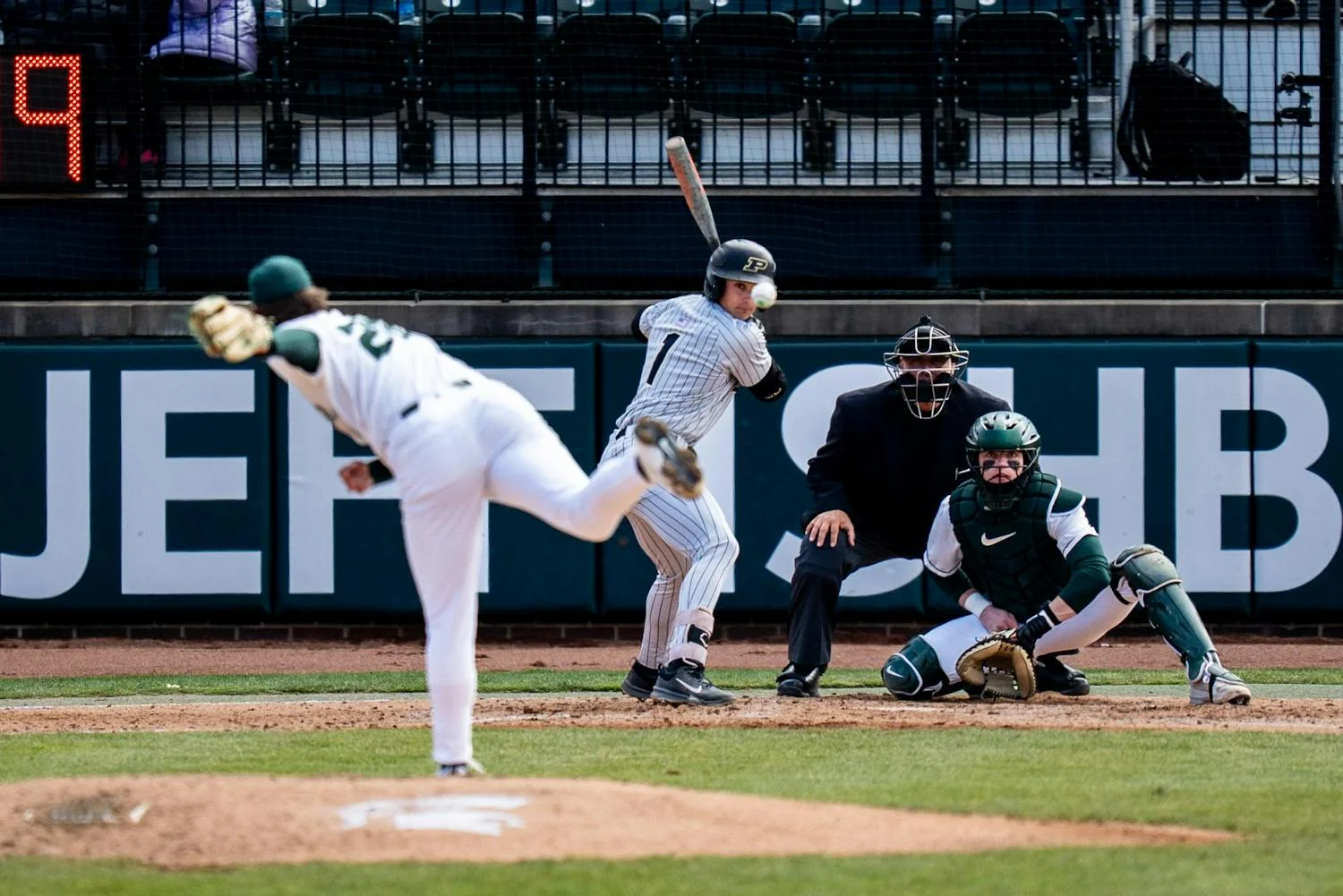
The clock operation guide helps explain those ordinary operations. Its older between-batters descriptions should be read alongside the new 2027 provisions, however. The new 30-second procedure discussed above is the specific instruction for the covered between-batters situation.
The clock stops for specified actions, including beginning delivery, a legitimate pickoff throw and an umpire granting time. A pitcher stepping off with nobody on base does not automatically stop it. With runners aboard, the rules include a limited reset mechanism; a routine step-off should not be interpreted as unlimited permission to start the countdown over.
For an ordinary time-limit violation by the pitcher, a ball is added without a preliminary warning. A batter who is not in the box, alert and ready with eight or more seconds remaining receives a strike without a pitch; the ball is dead and runners cannot advance. These are separate from the warning provisions governing certain visit or timeout delays.
There is also a distinct protection against beginning before the batter is ready: the rulebook provides a warning for the pitcher's first such action, with further violations resulting in a ball. A faster pace does not remove the hitter's opportunity to be ready. Both players have responsibilities, and the clock works within those responsibilities.
What happens during a timed mound visit?
The clock starts before the conversation reaches the mound
The 30-second mound-visit timer begins when a coach crosses the foul line or a defensive player leaves the position to visit the mound. Walking time is therefore part of the sequence. The participants do not receive a fresh 30 seconds only after the coach reaches the pitcher and starts talking.
At nine seconds remaining, the plate umpire proceeds toward the mound. Unless the coach signals for a pitching change, the coach must leave when or before the clock expires. The umpire's movement is a cue that the visit is approaching its limit; it is not itself an automatic ball or proof that an offense has already occurred.
If the coach has neither left nor signaled a pitching change at expiration, the umpire breaks up the meeting and directs the coach to leave or signal the change. Failure to comply immediately with that direction brings a warning for the first offense and an automatic ball for a subsequent offense. The adopted procedure therefore includes more than a simple zero-equals-ball instruction.
In a tense inning, the coach may want to discuss pitch selection, defensive positioning or the pitcher's confidence. The clock requires those choices to fit within the allotted visit. An umpire approaching early gives the group an opportunity to finish and separate before the deadline, rather than waiting for a long conversation to end on its own.
Medical evaluations and pitching changes need separate treatment
The mound-visit clock does not operate when a doctor or trainer accompanies the coach to evaluate a medical issue. That exception is specifically described in the rule. It should not be generalized into an unlimited tactical visit merely because the conversation concerns how the pitcher feels.
A signaled pitching change is also an express alternative to the coach leaving at expiration. It moves the game into the applicable substitution and warmup procedures. It does not mean every coach's trip must end in a change, or that the coach can keep the same tactical discussion going indefinitely without making the decision.
The transition after a timed mound visit is particularly important: the rule expressly says the 20-second pitch clock begins when the visit clock expires. Here the visit period and the subsequent pitching period are separate. That is different from the between-batters rule, which already requires the pitcher to begin delivery before its own 30-second timer expires. Identical starting numbers do not make the sequences interchangeable.
How do batter timeouts and six offensive conferences fit together?
Six team conferences do not mean six coach meetings
Rule 6-5-f allows each team six offensive conferences per game. No more than three during regulation may include a coach. The allowance belongs to the team, not to every batter or every inning. A player taking a brief granted reset and a coach participating in a discussion both need to fit the relevant conference accounting.
Extra innings add one offensive conference, and unused conferences from the first nine innings remain available. A coach may participate in the extra conference that is added. This does not create a fresh six-conference allocation every extra inning. It extends the game's available resources by the amount specified.
The distinction affects decisions late in a close game. A team might have conferences left while having used its regulation coach participation. The question is then not simply whether another timeout exists, but who can be involved. Counting only trips by a coach can miss player conferences; counting every remaining conference as another coach meeting can overstate the coach's allowance.
A granted timeout has its own start and enforcement
For the timed offensive procedure, the 30 seconds begins when an umpire grants the timeout to a player or coach. Asking is not the same event as receiving that grant. A hitter cannot assume that raising a hand alone has stopped every responsibility under a running clock.
At nine seconds remaining, the plate umpire proceeds to conclude the timeout. When it expires, unless a substitution has been signaled, the visit must finish and the batter must enter the box as applicable. The full rulebook also addresses baserunners delaying their return. Failure to comply promptly with the umpire's direction brings a warning for the first offense and an automatic strike for a subsequent offense.
The offensive timeout clock does not operate when a doctor or trainer accompanies a coach to evaluate a medical issue. As with a mound visit, that is a defined medical situation, rather than a general extension of tactical discussion.
Keep the duration penalty separate from the conference allotment. The rules also address a team exceeding its allowed conferences through a different warning and substitution provision. A strike for continued timeout delay should not be described as the automatic penalty for every possible conference-accounting error.
Likewise, the warning here is tied to the timeout's conclusion and the umpire's direction. It does not give a batter a free ordinary readiness violation at eight seconds. The allocation, the length of a granted interruption and readiness for the next pitch are related parts of game management, each with its own trigger.
What should fans watch when the clock produces a ball or strike?
Start with the event being timed, then look for its starting signal or condition. During a plate appearance, the important actions may be the batter becoming ready and the pitcher beginning motion. During a visit, the important actions may instead be the umpire's direction and the participants' response. Those sequences can produce different enforcement even when the display shows the same number.
A nine-second display is a useful example. On a timed visit or offensive timeout, nine remaining prompts the plate umpire to move toward concluding the interruption. It does not mean the batter has already missed the ordinary eight-second readiness mark. The number needs the event around it.
The visible display is also not the entire timing system. Current NCAA rules require visible clocks in Divisions I and II and strongly recommend them in Division III. That equipment requirement is separate from whether a Division II or III game has adopted the three new 30-second procedures. The visible-clock guidance explains the aim of making time accessible to players and umpires.
If a visible clock malfunctions, the rulebook provides for time to be kept by an on-field umpire. A blank display therefore does not by itself erase the game's timing obligations. Similarly, a still image may show the countdown without showing that an umpire had granted time or the pitcher had already begun motion. The full sequence matters more than a dramatic isolated frame.
Use our daily schedule, scores and TV schedule to follow games as the 2027 season develops. When an automatic ball or strike changes a count, identify the governing timer and the action that missed its requirement. That turns an apparently unexplained interruption into part of the same pitcher-batter contest you were already watching.
Join the conversation
Share a question or a thought about college baseball. Comments are reviewed before they appear. Keep it friendly and on topic.
No comments yet. Start the conversation.
Sign in with Google to leave a comment. Your email address is not displayed.