San Diego offers several very different college baseball outings. Choose USD for a Toreros game at Fowler Park, SDSU for the Aztecs at Tony Gwynn Stadium, UC San Diego for Triton Ballpark in La Jolla, or Point Loma Nazarene for Division II baseball at Carroll B. Land Stadium. The best choice depends on where you are staying, who is playing and how much of your day you want to spend traveling.
This guide compares those decisions rather than treating every result for “San Diego baseball” as the same team. It was checked on November 13, 2026, with spring 2027 planning in mind. Use the school’s current event listing to confirm the date, home field and admission before making a purchase.
Start with the right school and the right season
Begin with the institution’s full name. A search for “San Diego university baseball” can return three separate Division I programs, each with its own schedule, stadium and ticket office. Buying the first familiar-looking result can leave you with the wrong campus even when the city name is correct.
Three Division I programs and a different Point Loma option
The University of San Diego is USD, and its teams are the Toreros. San Diego State University is SDSU, home of the Aztecs. The University of California San Diego is UC San Diego or UCSD, home of the Tritons. For a quick initial comparison, open the Toreros, Aztecs and Tritons pages in separate tabs, then check the official school schedule for the game you intend to attend.
Point Loma Nazarene University adds a fourth distinctive destination. Its Sea Lions compete in Division II and the PacWest, so their national tournament path is separate from the three D1 programs. That difference describes the competition structure; it does not tell you whether a particular afternoon will be enjoyable. PLNU’s 2026 conference awards report records a PacWest championship and several individual honors, useful context for a visitor considering a program beyond the D1 names.
None of these choices is a Padres game at Petco Park. Nor does a San Diego Unified School District ticket page sell admission to these university programs. Match the school, nickname and opponent before entering payment details. That basic identity check is especially helpful when relatives send a search result rather than an actual event link.
Conference changes need an effective date
For spring 2027, SDSU baseball belongs in the Pac-12 discussion. The school’s September 2026 baseball announcement explicitly identifies 2027 as the start of that competition. An archived Mountain West baseball page can describe an earlier season correctly while giving the wrong framework for your next trip.
UC San Diego’s move follows a different clock. Its conference announcement makes the primary move to the West Coast Conference effective July 1, 2027. Spring baseball comes before that date. The Tritons therefore remain a Big West choice for the spring 2027 season; USD is the local WCC program. Do not combine their league records because both school names contain “San Diego.”
This matters when choosing an opponent. A league series carries standings consequences within that season’s actual conference, while a local cross-campus meeting can be nonconference baseball. Check the season label and league marker on the schedule rather than deciding from geography. Conference identity helps explain the stakes, but the home field and first-pitch time still come from the individual game listing.
Compare the four ballparks as destinations
There is no single “San Diego college baseball stadium.” The useful comparison is between four campuses and the kind of outing each makes possible. Start with the setting you want, then test that preference against the actual home schedule. A beautiful venue with its team on the road cannot solve a free afternoon.
Fowler Park for a Toreros game
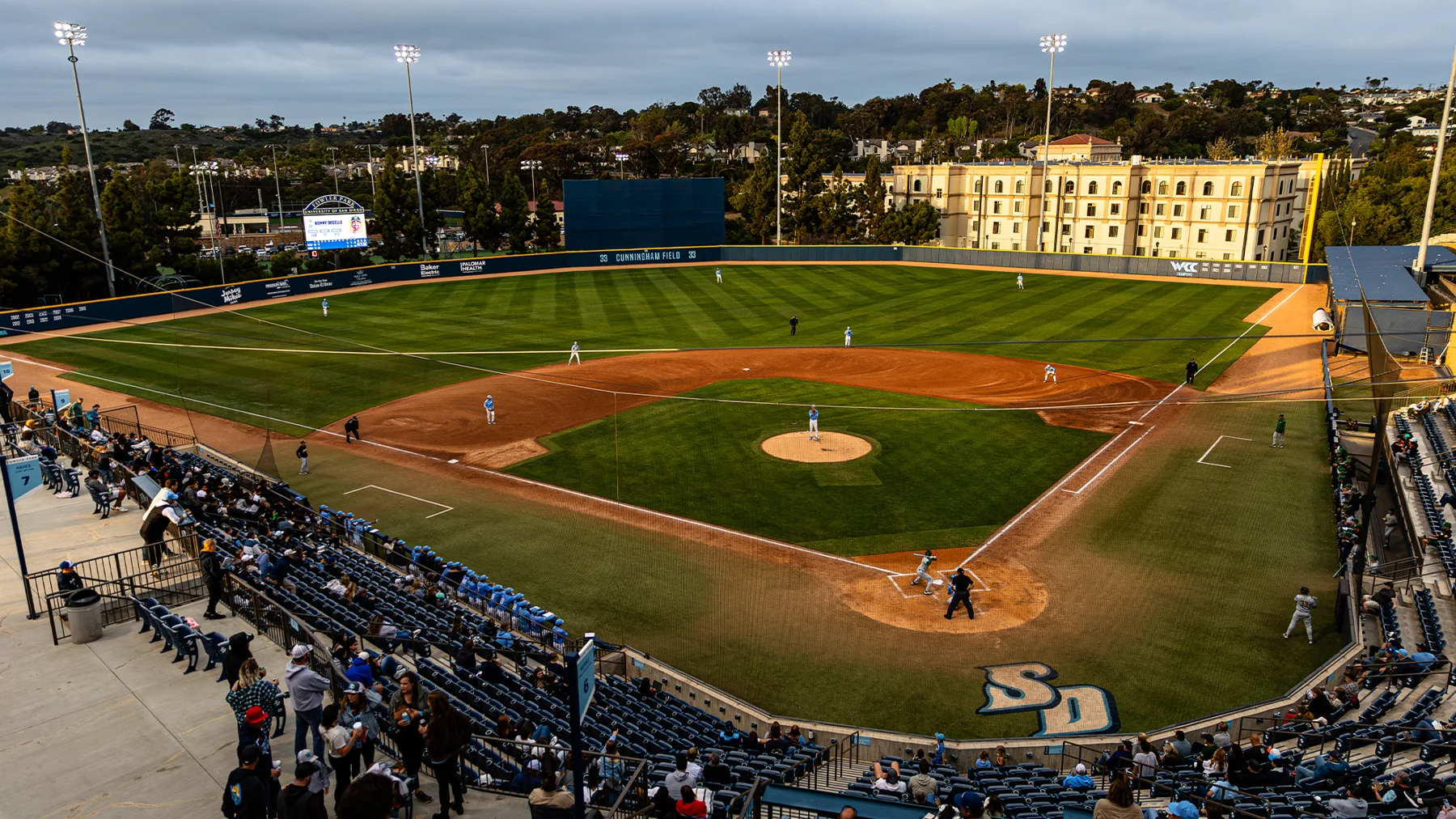
Fowler Park and Cunningham Field is USD’s baseball home, a campus ballpark that opened in 2013. The official facility description lists 1,700 seats, lighting and architecture that follows the university’s Spanish Renaissance style. Its third-base Torero Deck and views toward Mission Bay help distinguish the venue from a generic municipal field.
Choose Fowler when you want a Toreros game to anchor a campus visit, or when its opponent is the strongest draw on your available date. The relatively compact footprint makes the ticket’s actual location worth comparing: a conventional seat and an event or deck arrangement are different purchases. Read the seat description rather than assuming a stadium photograph shows the view included with every admission.
For a family planning one outing, a confirmed first pitch and a manageable route matter more than collecting several campuses. Pick your meal and arrival around that game. If the Toreros have a home series, a different date in the same series may fit your itinerary better without changing the ballpark experience you came for.
Tony Gwynn Stadium for an Aztecs game
Tony Gwynn Stadium provides the clearest connection between a college outing and one of San Diego’s most recognizable baseball names. SDSU’s stadium page explains that it honors the former Aztec player and head coach, while the playing surface retains the name Charlie Smith Field. The venue opened in 1997 and lists a capacity of 3,000, larger than Fowler’s standard seating figure.
This is a sensible first choice for visitors who specifically want SDSU baseball history. The facility page also identifies a baseball museum, but its presence is not a promise that it will be open during your visit. Ask about access separately if that is an important part of the trip.
The listed dimensions run 340 feet down each line and 412 feet to center. Those measurements give a useful visual reference when watching an outfielder track a deep drive; they do not predict the day’s scoring. For seat shopping, compare the actual chairback and bench options offered for your game. A larger capacity is neither a crowd forecast nor proof that any preferred section will remain available.
Triton Ballpark for a La Jolla outing
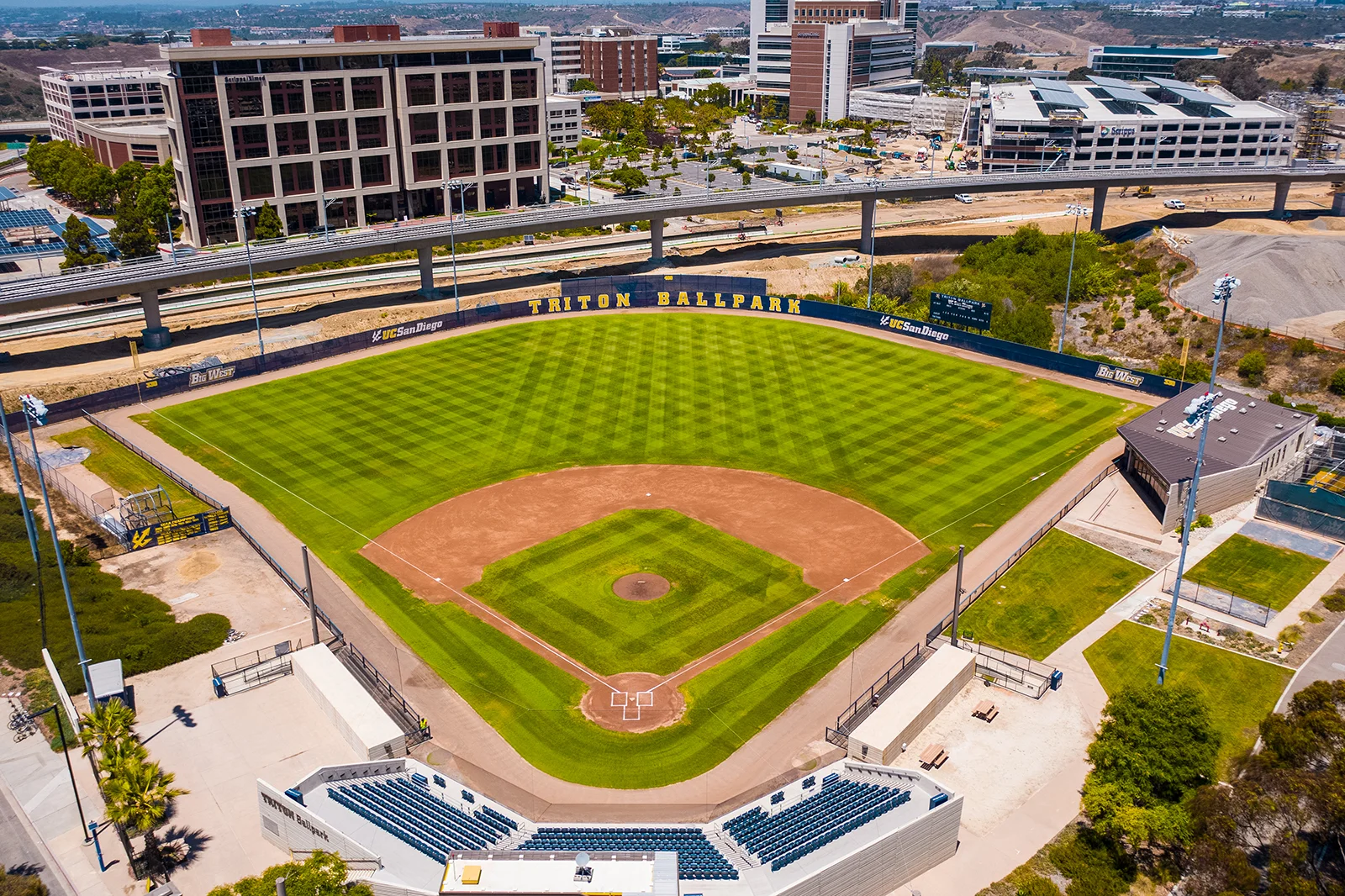
UC San Diego’s Triton Ballpark is on East Campus in the La Jolla area. Its facility guide describes a permanent grandstand seating just over 500, chairbacks, lights and a grass picnic area down right field. That is a different scale from Tony Gwynn Stadium, particularly for someone who values a smaller campus setting.
It is the natural school to check first when your day is already centered on UC San Diego. The key word is campus: a La Jolla hotel, a beach destination and the baseball entrance are separate map points. Plot the final walk to the field rather than treating arrival anywhere at the university as arrival at your seat.
The facility’s history includes Division II postseason events from before the program’s move to D1. Those older achievements explain the venue’s development, not the Tritons’ current division. Likewise, a field photograph can help you recognize the grandstand but cannot establish current food service, admission arrangements or whether a particular picnic space is available for your group.
Carroll B. Land Stadium for Division II baseball by the ocean
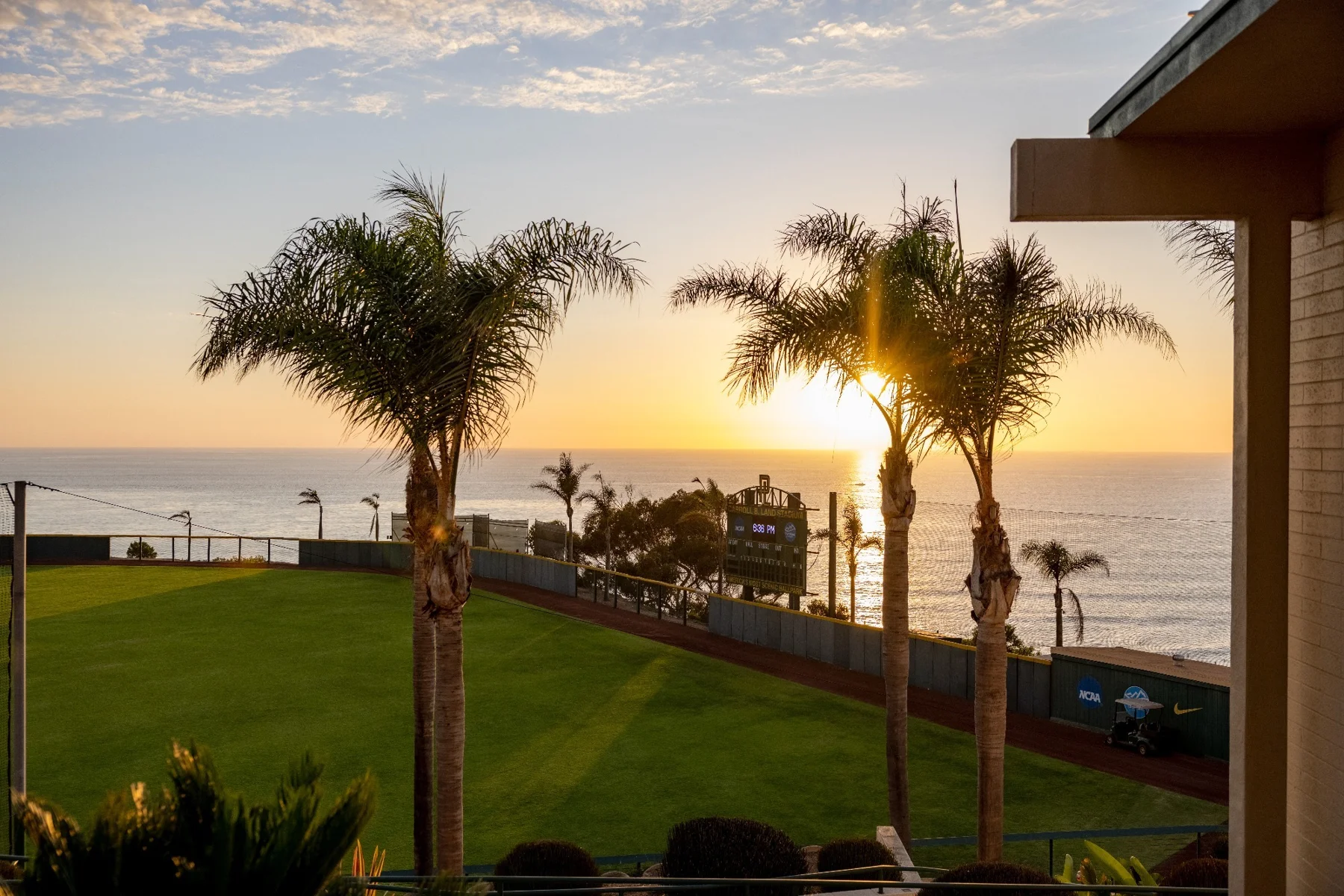
Point Loma Nazarene’s Carroll B. Land Stadium offers the most direct ocean setting of these four choices. The school’s facility account places it on the seaside cliffs overlooking the Pacific and explains the longstanding “America’s Most Scenic Ballpark” nickname. Treat that as an attributed description, not an objective ranking of every stadium.
Pick PLNU if the setting and a Sea Lions game are central to your day. Division II gives the matchup its own conference and postseason context, so check the PacWest race instead of using a D1 poll to judge the opponent. The smaller-division label is a poor substitute for looking at who is actually playing.
The coastal setting also suggests a practical packing choice: check the forecast and bring a layer for wind rather than assuming sunshine means warm seating throughout the game. A sunset photograph is not a guarantee of an evening fixture. Let the scheduled first pitch determine the rest of your Point Loma plans.
Choose a game for its baseball, not just its address
A weekend series is the best starting point if you want to follow how a matchup develops. The same opponent returns, but the starting pitchers, available relievers and managers’ choices can change. Attend one game and you get a complete contest; attend two and you can see how an early heavy bullpen workload affects later decisions. Ask what happened in the previous game before judging an unusual pitching change.
Do not buy solely on the assumption that Friday always means the best starter. Consult the school’s series preview and probable pitchers when published. A rotation can change, and the player you want to see may not appear on the day you choose. Buying the matchup is more dependable than treating a tentative pitcher as a guaranteed attraction.
Midweek baseball makes a different offer. A local opponent can turn an ordinary evening into a convenient campus game without requiring a full weekend commitment. USD’s 2026 schedule announcement, for example, separated its league program from nonconference games and included meetings with UC San Diego at each campus. Those are examples from the completed season, not an assertion that the same dates or arrangement return in 2027.
For the next trip, compare the current opponent and venue line directly. PLNU’s published 2027 schedule already illustrates another planning possibility: two home games against Central Washington on February 19. A doubleheader can offer more baseball without a second campus transfer, but you still need to check admission terms and whether the second start is fixed or dependent on the opener.
Opponent quality adds context, but a single poll number should not make the entire decision. Check which poll, division and season it describes. A PacWest matchup belongs in its D2 context; a D1 ranking does not evaluate that race. Even within D1, a preseason expectation and a result-based midseason comparison answer different questions. If you enjoy scouting, look for a specific player and confirm his current roster rather than choosing a school only because its name is familiar.
For a first visit, choose one clear priority: the campus you want, the opponent you follow or a schedule that lets you watch comfortably from first pitch onward. Then use the other two as tiebreakers. That approach leaves room to enjoy the actual game, including a close contest between less famous teams, instead of spending the afternoon chasing a more impressive label across the city.
Check tickets, parking and admission before leaving
The cheapest displayed ticket is not necessarily the cheapest usable outing. Admission, checkout charges, parking and transport can be separate costs. Compare the total for your party and the specific date. A student benefit, group rate or season-ticket offer may have eligibility conditions that do not apply to a visiting family.
Buy the event that matches your date and venue
Start through the school’s own baseball page. SDSU Baseball Ticket Central separates single-game, season and group routes. UCSD’s ticket information provides its official purchasing links, while PLNU’s ticket portal lets visitors select baseball separately from other sports. Follow the event you actually intend to attend rather than a general university ticket listing.
Check the season printed inside the page. UCSD’s information page still displayed 2026 when this guide was checked; that does not make its advertised rates a verified 2027 offer. Likewise, a link to a ticket platform does not establish that your preferred future game is already on sale. If a new season has not appeared in the event inventory, use the school ticket office instead of treating a missing listing as a cancellation.
Before paying, confirm opponent, date, first pitch, venue and seating category. For a doubleheader, ask whether one admission covers both games and what happens if the schedule changes. Families should check age categories and accessible seating needs at this stage, when there is time to resolve them. Group discounts require the published conditions, not simply arriving together.
USD’s current visitor guide says athletics tickets are digital and recommends adding them to Apple Wallet or Google Wallet before arrival. Do that while you have a dependable connection, and make sure the person arriving at the gate can access the tickets. A purchase confirmation is useful evidence of your order, but follow the issuer’s actual entry instructions.
Plan the last mile and what you can bring
Use the baseball-specific parking instructions. USD’s Fowler Park visitor block directs fans to the Main Parking Structure and currently lists baseball gates opening an hour before first pitch. It also distinguishes weekday paid hours from the weekend and after-7-p.m. free window. A game starting before that cutoff can require parking payment even if most innings take place afterward.
UCSD uses a different system. Its ballpark instructions identify 3432 Voigt Drive as the nearest-lot navigation address and require parking permits, including weekends. Do not apply USD’s weekend rule to the Tritons. At either campus, recheck the current event notice and posted signs before leaving your vehicle.
Bag and food policies also belong to the host. USD’s guide prohibits outside food and beverages while allowing sealed factory plastic water bottles under its stated exception. That is a USD rule, not a four-school policy. Check the other host’s current restrictions before bringing a cooler, stadium chair or large bag. If anyone needs step-free access or other assistance, contact the ticket office before buying seats and plan the route from parking to the entrance as carefully as the drive to campus.
Build a realistic San Diego baseball day
For one game, work backward from first pitch. Select the school and event, decide how you will reach the actual entrance, then fit meals and sightseeing around that commitment. A visitor staying near UC San Diego should check the Tritons first; someone building a Point Loma day should start with the Sea Lions. For a trip centered on a particular visiting team, let its confirmed venue override those geographic preferences.
From downtown or a central hotel, compare the complete journey to Fowler Park and Tony Gwynn Stadium before assuming one is easier. Include parking, the walk across campus and your route home. If you prefer transit, the MTS trolley map and schedules provide the actual line connections, including service to UC San Diego. A station name is only part of the journey; check the walking route to the ballpark and the return service for the time you expect to leave.
For two games, confirm both listings independently. An afternoon start at one campus and an evening game elsewhere can look attractive, but baseball has no guaranteed finish time. Extra innings, a delay or a long middle inning can remove your travel buffer. Decide in advance whether you are willing to miss part of the second game. If seeing two complete contests matters most, a published doubleheader at one venue or games on consecutive days may be the better plan.
Keep the second outing optional until the first schedule is secure. Check the school’s event updates before leaving your hotel and again before changing campuses. A “scheduled” label is not a final result, and a postponement can alter both start times in a series. Keep Pacific Time attached to your notes, especially if a calendar app displays your home time zone.
If the campuses cannot fit comfortably into one day, follow the other game remotely. Use the host school’s game-specific Watch, Listen or Live Stats link. Those are separate products: an audio feed does not include pictures, and a live-stat display does not establish that a free video stream exists. The site’s games today and TV schedule can help you start browsing, with the school event page supplying the final venue and coverage check.
Leave with a plan built around one real matchup, a route you can manage and admission you understand. That gives you room to notice the baseball itself: the pitcher working out of a jam, the defense adjusting to a runner and the decisions that shape a series. San Diego’s four campuses offer enough variety that you do not need to rush through all of them to have a worthwhile college baseball visit.
Join the conversation
Share a question or a thought about college baseball. Comments are reviewed before they appear. Keep it friendly and on topic.
No comments yet. Start the conversation.
Sign in with Google to leave a comment. Your email address is not displayed.