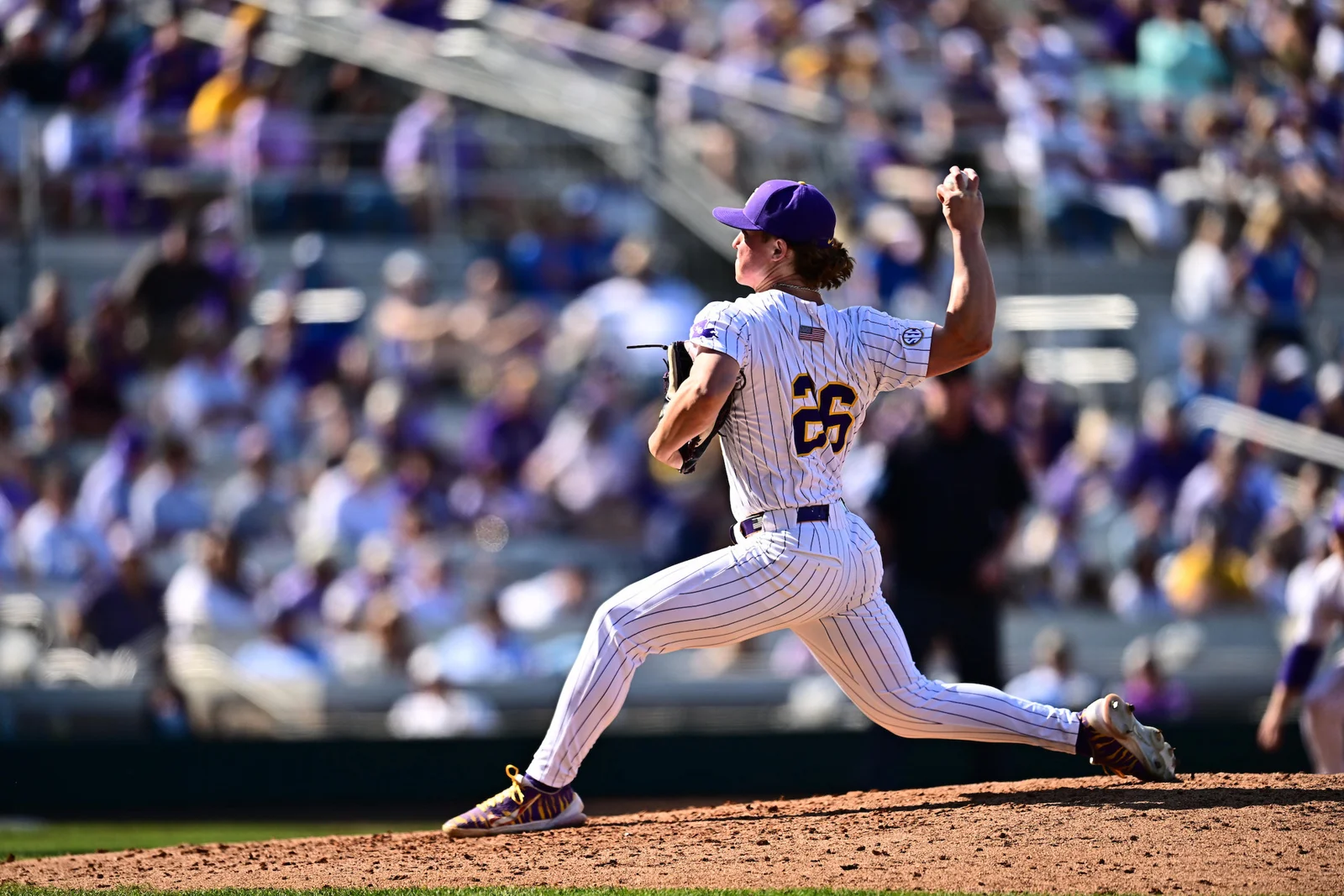
The two-disengagement limit and three-batter minimum are 2027 NCAA pitching experiments, not universal requirements for every college baseball game. Conferences must receive permission to participate. The current experimental protocol limits the experiments to conference play and excludes the NCAA postseason.
Where an approved experiment is in use, an additional pickoff attempt is not automatically illegal if it produces an out, and an inning can end before a pitcher completes three batters. Those details explain why the same-looking situation can lead to a legal play, a balk or a permitted pitching change. The useful approach is to establish the game's rules first, then track the relevant count. The examples below are hypothetical applications of the published NCAA protocol, rather than descriptions of completed 2027 games.
First establish whether the experiment applies to the game
The NCAA's August 25 approval announcement says conferences in all three divisions could receive approval for the additional pitching experiments. That wording matters: permission to experiment is different from a nationwide instruction to use the rule in every game.
The August 24 experimental protocol sets out written conference requests, permission and season-end feedback. Its scope is 2027 conference play, with no use in the NCAA postseason. An institution playing NCAA baseball is therefore not enough, on its own, to establish that a particular contest uses either experiment.
Start with four details: season, division, conference approval and game category. A clip without those details may show an interesting pickoff or pitching change, but it does not establish which experimental condition governed it. A nonconference opponent visiting the same stadium does not automatically carry the conference's experimental arrangement into that game.
Likewise, an announcement that a conference can apply is not an announcement that it has applied successfully. Before describing a real league's games as participating, look for that league's implementation information. The two NCAA documents establish the available framework; they do not provide a complete list of participating conferences.
This also helps separate different parts of the broader 2027 rules discussion. The approval news covers technology, equipment and other procedures alongside pitching. A statement about one experiment should not be used to widen another experiment's scope. For a disputed substitution, the relevant question is whether this pitching requirement applies to this game, rather than whether the NCAA approved any new rule for the season.
Two disengagements change the decision to hold a runner
The experimental limit covers the pitcher's pickoff attempts and step-offs together. It is not an allowance of two throws plus a separate allowance of two step-offs. The count concerns the current plate appearance, which is why the recent sequence matters more than the total number of throws made earlier in the game.
For a hypothetical runner at first, mark each counted action as it happens. A step-off followed later by a pickoff attempt uses the same numerical allowance as two pickoff attempts. That changes the decision facing the pitcher: another disengagement carries a different consequence from the first two, even if the runner continues taking an aggressive lead.
What happens on an additional attempt
The NCAA's approval announcement makes the distinction explicit: an additional disengagement is a balk unless the pickoff attempt produces an out. Attachment A of the experimental protocol describes a runner's automatic one-base advance when a third pickoff fails.
Suppose the runner has returned safely after two counted attempts, with no intervening advance. A third throw that again leaves the runner safe brings the experimental penalty into play. If that third attempt instead retires the runner, the successful-pickoff exception matters. Saying that the pitcher is forbidden to try again loses precisely the distinction that decides those two cases.
This produces a risk decision rather than a free pass for the runner. A larger lead might pressure the defense, but an accurate, well-timed additional attempt can still record the out. Conversely, repeating a low-probability throw solely to delay the next pitch has a cost once the allowance is used. Neither player should act as though the number alone has decided the outcome.
A runner's advance can change the count
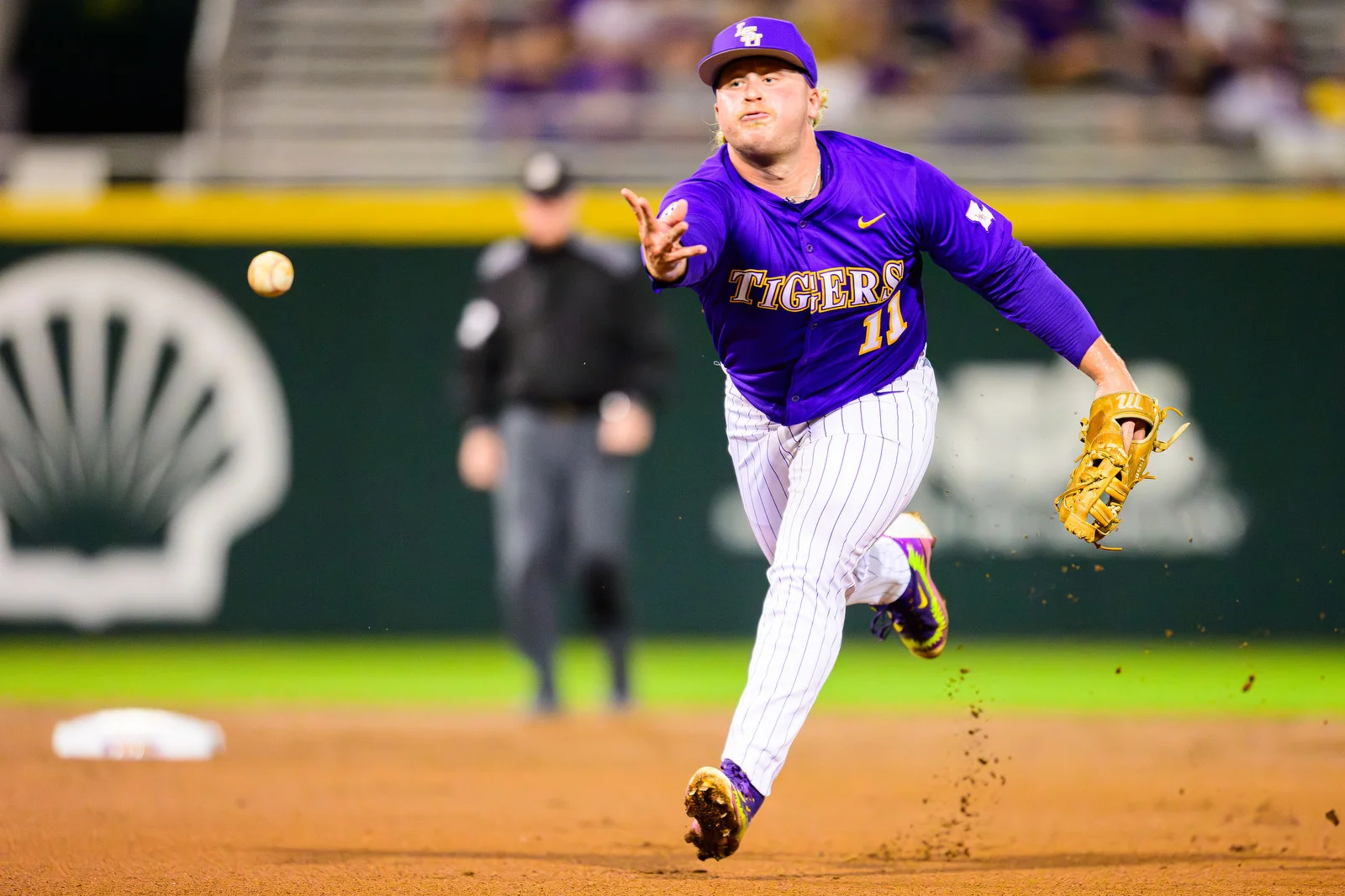
The protocol resets the limit when a runner advances during the plate appearance. In a hypothetical sequence, a pitcher uses two disengagements with a runner at first, then the runner steals second while the same hitter remains at bat. The count must be read in light of that advance; the earlier two are not simply carried forward as an unchanged exhausted allowance at the new base.
Track the advance as carefully as the throws. A different ball-strike count is not the same event as a runner reaching another base. When watching a replay, locate the runner's movement in the sequence before deciding that the next attempt was an unsuccessful third one. A graphic showing only the current hitter and outs may omit the information needed to judge the count.
These examples assume an otherwise legal move. The experimental allowance does not excuse a delivery that independently violates the ordinary balk rules. The numerical question and the legality of the movement remain separate parts of the play.
Know which interruptions the protocol counts
Attachment A excludes mound visits, injury timeouts and offensive team timeouts from the disengagement count. A pause in play is therefore not enough to identify a counted pitcher action. Classify what happened before adding it to the tally.
Suppose a pitcher makes one unsuccessful pickoff attempt and the offense later takes a timeout. That sequence does not become two disengagements simply because action stopped twice. The pickoff belongs in the count; the specified timeout exclusion answers the other part. This example assumes the timeout was otherwise permitted and does not create extra timeout rights.
Now suppose two step-offs have occurred, with a mound visit between them and no runner advance. The intervening conversation is not a third disengagement, but neither is it the runner advancement described in the reset provision. Count the two pitcher actions accurately instead of treating the visit as either an extra pickoff or an automatic fresh allowance.
There is a narrowly described ninth-inning provision. A team that exhausted its allotted mound visits before the ninth receives another visit in the ninth, which the protocol describes as effectively another disengagement. That conditional extra visit should not be rewritten as a general permission for every pitcher to make three unsuccessful pickoff throws.
The distinction protects a useful baseball conversation. A coach discussing how to attack the hitter, an injury stoppage and a pitcher testing a runner's lead can all interrupt the same at-bat, but they are different events under the experiment. Calling them all step-offs makes the count unreliable and hides the reasons for the interruption.
It also keeps this experiment separate from other procedures. An action excluded from the disengagement count can still have its own timing or conference restrictions. An injury timeout's exclusion, for example, does not by itself answer a separate question about substitution eligibility. Apply the rule that addresses the actual action rather than asking one numerical limit to govern every stoppage.
The three-batter experiment restricts when a pitcher can leave
The other pitching experiment governs substitution rather than attempts to hold a runner. Its starting point is three consecutive batters, with an inning-ending route that can permit an earlier change. Attachment B applies its requirement to the starter as well as a substitute. Counting pitches, batters completed and outs as if they were the same thing will produce the wrong answer.
The inning-ending route and the next inning
Consider a hypothetical reliever entering with two outs. The reliever strikes out the hitter, ending the inning after one completed plate appearance. The experiment permits removal between innings. It does not require the coach to bring that pitcher back solely to reach three batters.
If the coach does bring the same pitcher back, however, the count does not disappear. One completed appearance in the previous inning leaves two more to satisfy the minimum, unless another inning-ending situation intervenes. The decision to return the pitcher therefore has a consequence that is separate from the earlier opportunity to replace them between innings.
The same logic handles a pitcher who completed two batters before the break: returning leaves one more to complete. A pitcher who completed none still has three to complete if returned. These are counting examples, not a requirement to leave someone in for three full innings or a specified number of pitches.
For a spectator, write down the completed appearances at the moment the inning ends. That preserves the information needed if the pitcher returns. A broadcast graphic showing a new inning and a fresh ball-strike count does not, by itself, tell you whether the pitcher's minimum has been satisfied.
Plate appearances, intentional walks and pickoffs
An intentional walk counts toward the requirement; a pickoff out does not count as a completed batter. If the pickoff ends the inning, it can still open the between-innings removal route. That is the distinction between satisfying the batter count and reaching the alternative inning boundary.
Imagine a reliever arriving with two outs and a runner aboard, then retiring that runner before the hitter finishes. The inning ends with zero completed plate appearances for the reliever. The coach may replace the pitcher between innings. If the same pitcher returns, the unfinished count remains a three-batter task. Merely recording the third out did not magically turn the pickoff into three batters faced.
Now imagine a substitution during a 2-0 count. The new pitcher throws two more balls and the hitter walks. Attachment B credits the pitcher on the mound when the appearance finishes. The substitute gets one completed batter for this requirement, even though another pitcher began the at-bat. This is a different count from a casual estimate based on how many hitters the reliever started pitching to.
These distinctions are why a close-up of the coach requesting another arm is not enough to judge the change. Reconstruct the appearance completions and the outs first. The experimental procedure operates alongside other pitcher-use rules; unusual availability situations need the applicable rule and the umpire's ruling, rather than an invented exception borrowed from another competition.
Bullpen planning starts before the substitute enters
The tactical effect begins while a reliever is warming up. A coach evaluating a favorable matchup must also consider the hitters who could follow it. Under the experiment, the desired first confrontation is not necessarily the pitcher's entire assignment.
Imagine a left-handed reliever being considered for a left-handed hitter followed by two right-handed hitters, with nobody out. The first matchup might be attractive, yet the next two are part of the decision if the inning continues. Choosing that reliever means evaluating the available pitches and command against the sequence, rather than assuming another specialist can immediately take over.
Change the situation to two outs and the calculation changes again. Retiring the first hitter would end the inning and permit a between-innings change. If that hitter reaches base instead, the defense cannot act as though the hoped-for inning-ending out actually occurred. The rule makes the result of the first encounter relevant to the next substitution opportunity.
There is no simple workaround in moving pitchers around the diamond. Attachment B's position-change procedure imposes its own minimum conditions on the replacement and on a pitcher returning to the mound. A move to another defensive position should not be assumed to preserve unrestricted one-hitter matchups.
For the offense, a walk can have two effects at once: it creates a baserunner and completes a batter toward the pitcher's minimum. A pickoff attempt then introduces the other experiment's count without erasing the distinction between that runner and the hitter at the plate. Tracking both experiments together makes an inning more understandable than treating every decision as an isolated matchup.
These are reasons to watch the batting order, outs and baserunners before criticizing a coach for leaving a reliever in. They do not prove that the experiment will make a particular team better, increase stealing or shorten games by a predictable number of minutes. Those outcomes require evidence from games played under the experiment. The immediate, supportable observation is that the manager's choice has to account for more of the possible inning before the substitute enters.
Watch the count before judging a pitching change
A reliable viewing note needs more than the current score. Record when the pitcher entered, which plate appearances finished with that pitcher, whether the inning ended and whether the same pitcher returned. Separately, track the counted disengagements and any runner advance during the current appearance. The two tallies answer different questions.
A compact note might read: two outs on entry, one completed batter ended the inning, same pitcher returned. That sequence explains a remaining minimum in the next inning far more clearly than a complaint that the reliever has already pitched to somebody. Another note might read: two disengagements, runner advanced, current hitter still batting. That supplies the reset information missing from a replay of the next throw alone.
Separate a permitted change from an experiment that was never adopted
Before using either note to criticize an umpire, confirm that the game uses the experiment. The NCAA baseball rules hub provides the current experimental document; a conference announcement is needed to establish its own participation. The existence of the national protocol does not supply that missing local fact.
The daily college baseball schedule helps identify the game and date, while the scores page helps locate its outcome. A final score cannot reconstruct every plate appearance or prove experimental adoption. Use the game sequence and the relevant official rules when the disputed decision depends on those details.
That approach makes the 2027 changes easier to follow without reducing them to slogans. Two disengagements does not mean every further throw must fail the rules; three batters does not mean an inning-ending reliever can never be replaced. The meaningful question is which condition was met in a game actually using the experiment. Once that is established, the count gives the baseball decision its proper context.
Join the conversation
Share a question or a thought about college baseball. Comments are reviewed before they appear. Keep it friendly and on topic.
No comments yet. Start the conversation.
Sign in with Google to leave a comment. Your email address is not displayed.